The Trade Debate in a Nutshell
-
Neo-Liberalism
Remove all borders for trade. The global free market ensures goods are made as cheaply as possible.
-
Economic Nationalism
Protect local jobs and domestic factories, even if it means everyday items cost slightly more.
-
Strategic Autonomy
A nation must manufacture its own critical technology and medicine to survive geopolitical conflict.
Meet the Pioneers of Trade
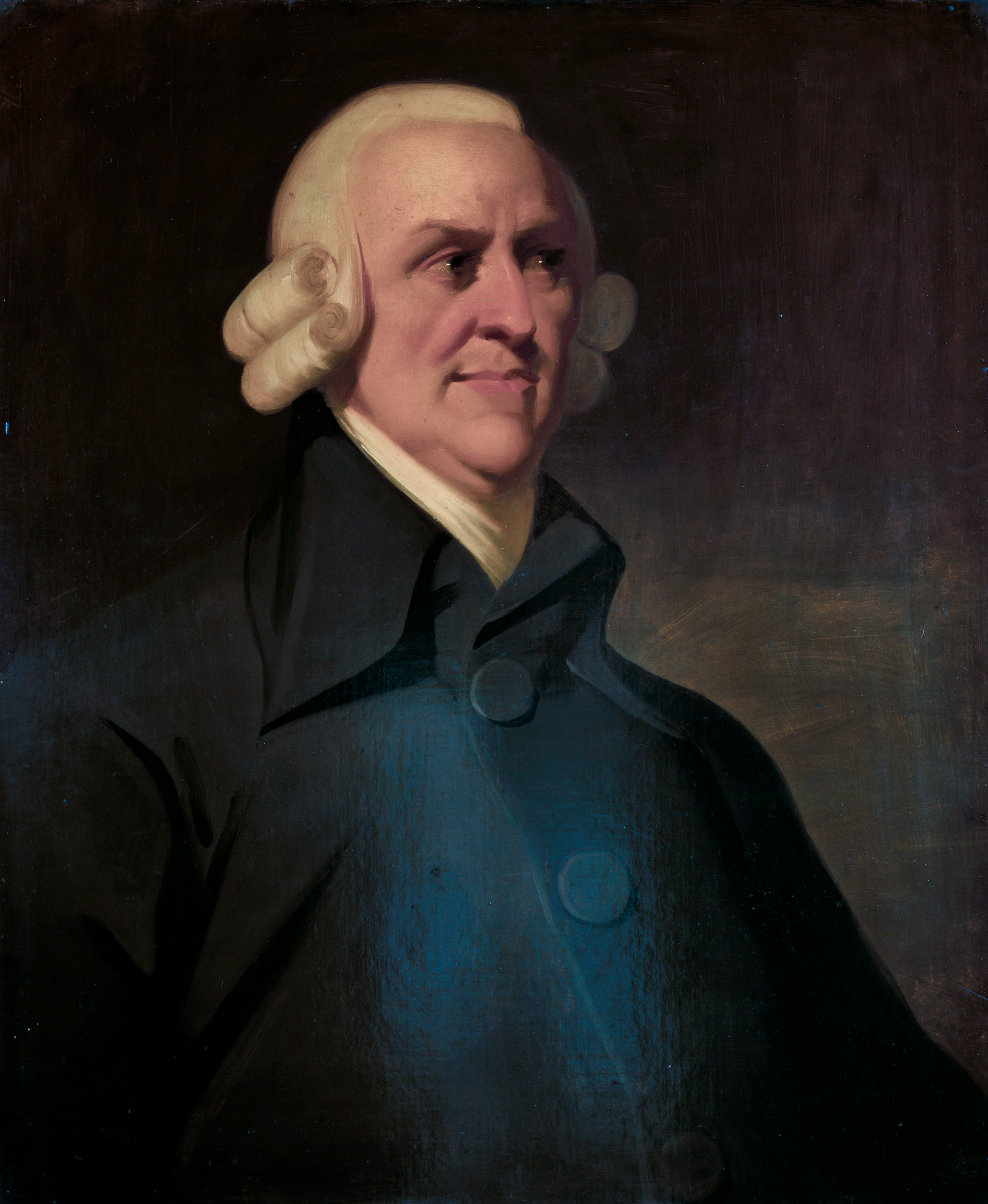
Adam Smith
The Father of Free Trade
Comparative Advantage
"If a foreign country can supply us with a commodity cheaper than we ourselves can make it, better buy it off them."
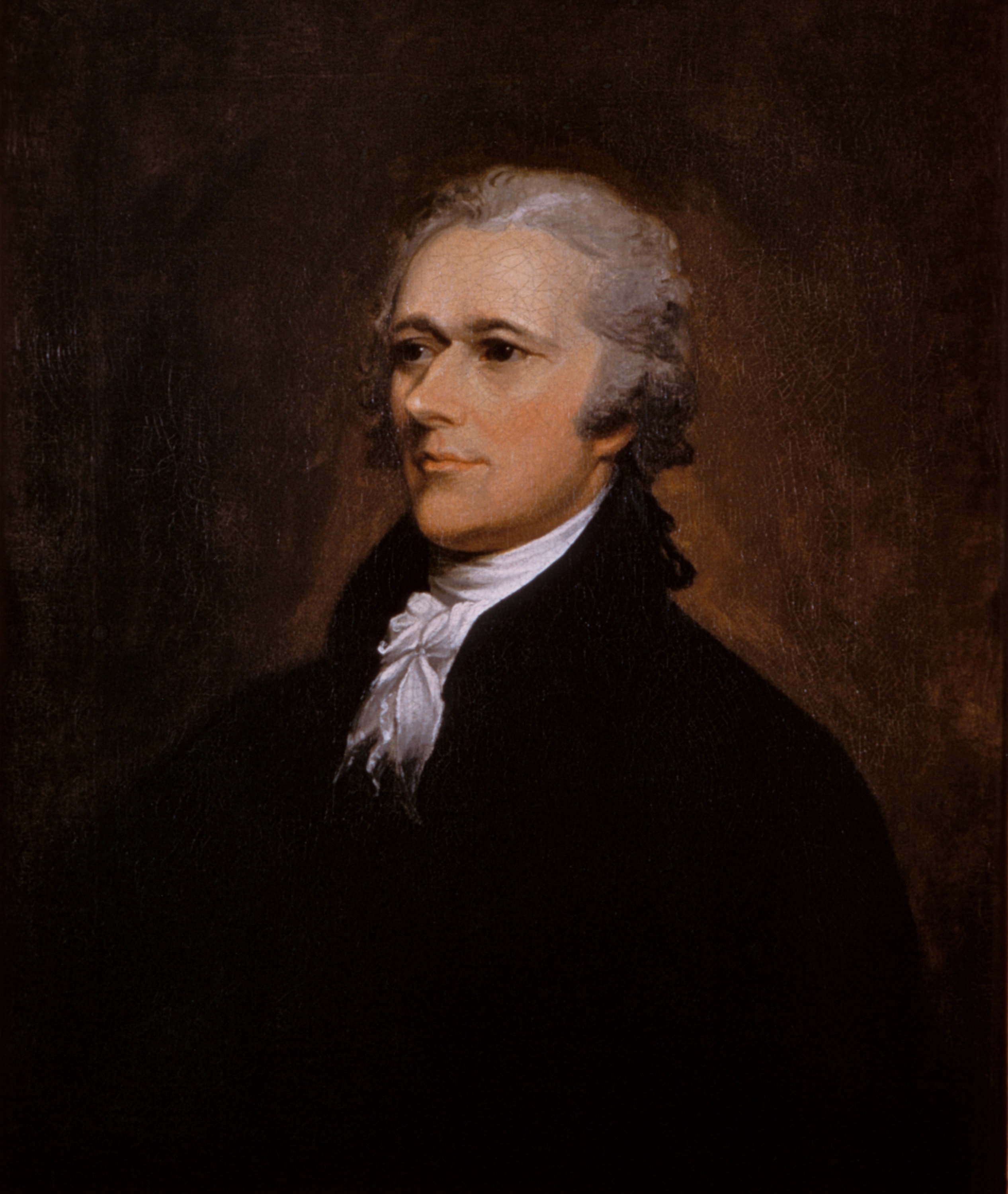
Alexander Hamilton
The Original Protectionist
Domestic Manufacturing
"Not only the wealth, but the independence and security of a country, appear to be materially connected with the prosperity of manufactures."
The Great Divide: Open Oceans vs. Secure Borders
Globalists (Free Traders)
-
Consumer Focus: The primary goal of an economy is to keep prices low for everyday consumers.
-
Interdependence: When nations trade heavily with one another, they are far less likely to go to war.
-
Deregulation: Tariffs and trade taxes are harmful interventions that disrupt natural market efficiency.
Nationalists (Protectionists)
-
Worker Focus: The primary goal of an economy is to provide secure, well-paying jobs for citizens.
-
Vulnerability: Relying on foreign rivals for goods is a dangerous national security risk.
-
Tariffs: Import taxes are a necessary tool to penalise foreign nations that use cheap labour to undercut local businesses.
Where do you map on the Political Compass?
Are you an economic globalist, a nationalist conservative, or somewhere entirely different? See exactly where your beliefs plot on our 2D ideology map.
A Deeper Dive
The End of the Neo-Liberal Consensus
For the past thirty years, the global political establishment generally agreed on one thing: free trade is inherently good. This ideology, rooted in Neo-Liberalism, assumes that moving a physical good from a factory in Asia to a shelf in a Western supermarket will always be cheap, frictionless, and safe.
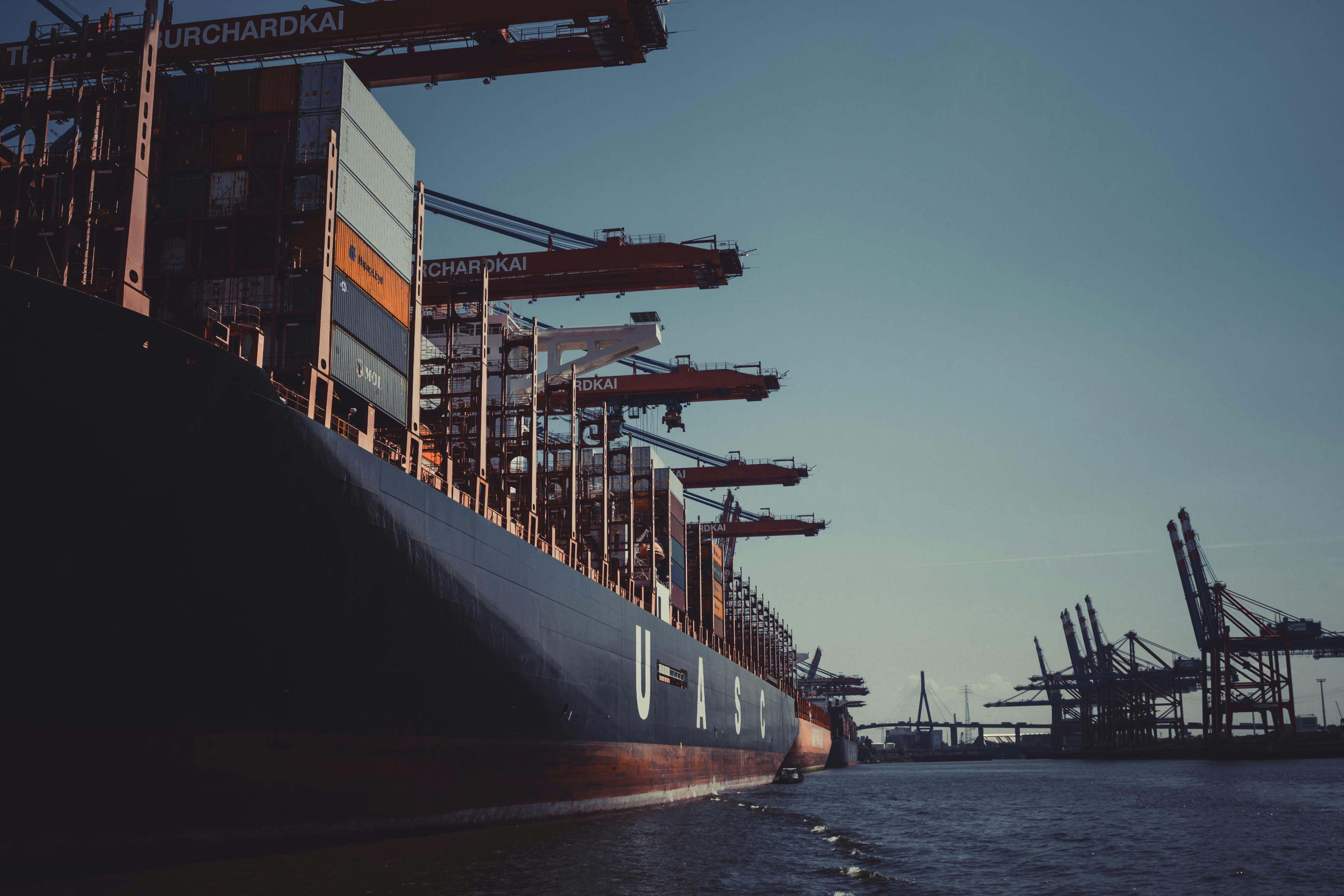
Neo-Liberals argue that if a corporation can manufacture a television in Shenzhen for half the price it costs to make it in Sydney or Chicago, they should do it. The consumer gets a cheaper product, and the global economy grows. This philosophy led to "just-in-time" manufacturing, where companies stopped storing excess inventory, treating the open ocean as their warehouse.
The Nationalist Backlash
However, an ideology known as Economic Nationalism has experienced a massive resurgence in recent years. Nationalist conservatives argue that while free trade lowers prices at the checkout, it hollows out domestic industries and destroys working-class communities.
Furthermore, nationalists point out a glaring flaw in the globalist model: what happens when the oceans are no longer safe? When a pandemic, a war, or a geopolitical dispute fractures the supply chain, nations suddenly realise they no longer know how to manufacture basic medicine, energy, or technology.
The Ultimate Case Study: The Taiwan Semiconductor Dilemma
To understand this ideological battle in the real world, look no further than the global supply of microchips. Today, over 90% of the world's most advanced AI processors and silicon chips are manufactured on a single island: Taiwan. From your smartphone to modern military jets, the global economy is entirely dependent on this one specific choke point remaining open.
The Globalist approach suggests we should manage this risk through diplomatic alliances and market forces. The Nationalist approach argues that relying on a geopolitically vulnerable island for critical technology is madness, prompting massive government subsidies to rebuild semiconductor factories on home soil, regardless of the financial cost.
Final Thoughts
The debate between Globalisation and Nationalism comes down to a trade-off. Do you prefer the economic efficiency and low consumer prices that come with open borders? Or do you prefer the security and domestic job protection that comes with tariffs and closed supply chains? As global tensions rise, this specific ideological divide will shape the politics of the next decade.